
The best travel investment is time — slow travel in Northern Portugal
- Azeite a Norte

- 6 days ago
- 6 min read
Some believe that in an olive grove in Vila Nova de Foz Côa there are olive trees that were already growing when Portugal's first king was still dreaming of conquering Lisbon. The estate — today known as Morgada do Vale — was part of the roughly four thousand hectares donated in 1148 to a Templar knight named Tomé, whose statue can still be glimpsed near the property. The kingdom was young. And it is under this memory — Templar, agricultural, silent — that part of this territory has kept producing olive oil for almost nine centuries. Here, whether the trees are as old as tradition claims or simply descendants of that first grove, time is not money. It is the only investment that truly pays off.
Trás-os-Montes e Alto Douro, in Northern Portugal, is the territory where time — rather than running out — is offered freely.
A week that feels like two
A journey through Trás-os-Montes is not measured in kilometres. It is measured in lingering conversations, in dinners that stretch because no-one needs to leave, in mornings that begin without an alarm, in afternoons whose most important decision is which viewpoint to choose.
A week here feels like two weeks somewhere else.

Two seasons show the territory at its best.
Spring, from late February to May, is the season of almond blossom — when the Upper Douro is covered in white and pink and the temperatures invite long walks. Autumn, from September to November, is the season of the olive harvest, new oil, colour-changing leaves, and mild days.
High summer, when temperatures often exceed 35 degrees, and the harshest winter months, are hard to deel with.
For slow travellers, spring and autumn are the perfect invitation.
Alijó: a base for slow time
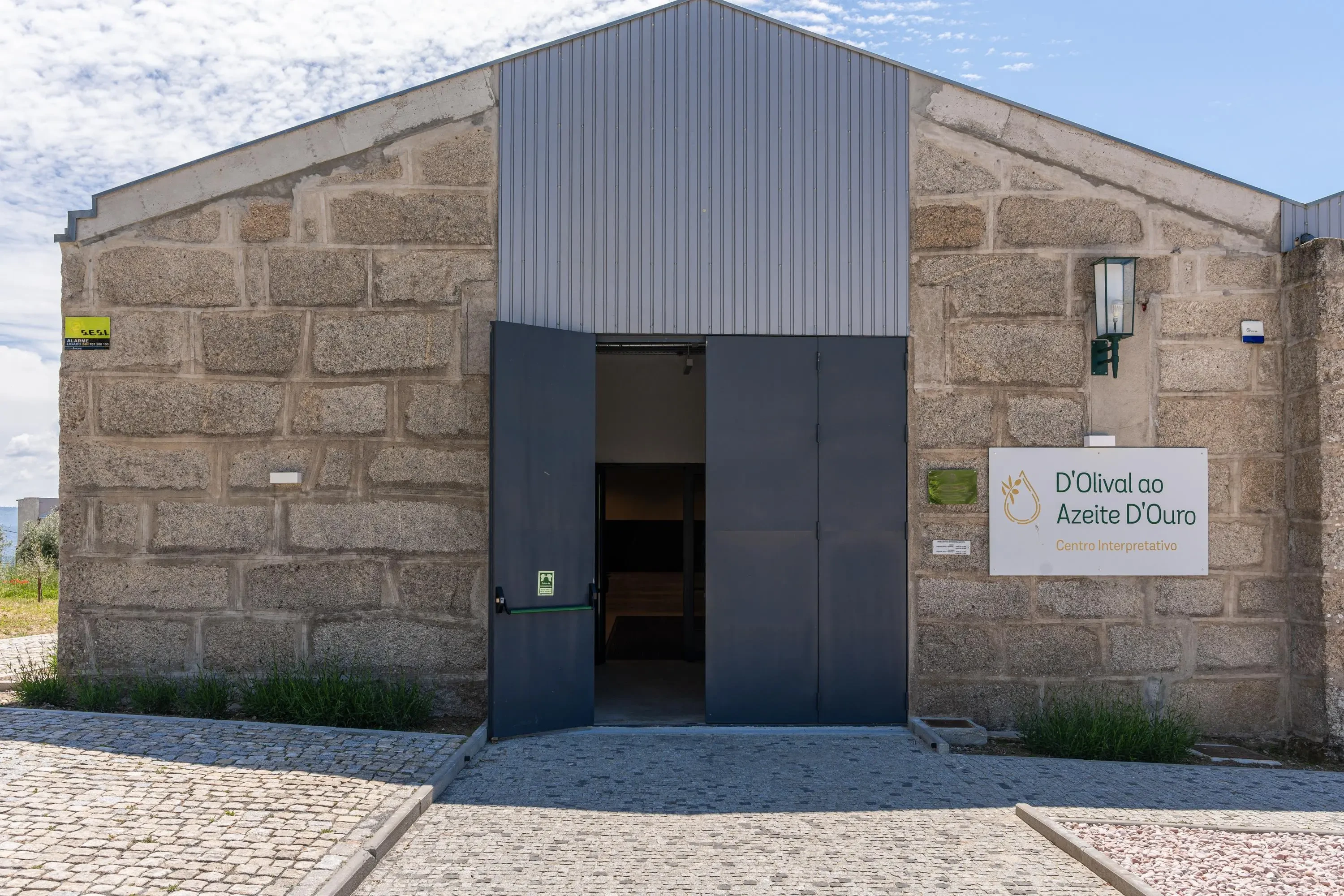
Begin the journey in Alijó, in the heart of the Alto Douro Wine Region — the first Portuguese territory classified as a UNESCO World Heritage Site. The historic centre is discreet and dignified, with 19th-century buildings, cobbled streets, cafés where people still converse without checking the clock.
The Palacete Barão Forrester — Forrester Essence Douro Hotel is a natural choice to settle in for a few days. A boutique heritage hotel in a historic building in the centre of Alijó, named after Baron Forrester — the 19th-century figure who reformed Port wine production and drew the first cartography of the Douro. Sleeping here means sleeping inside the history of this region.
From Alijó, the Douro is within easy reach. One of the most memorable slow-paced experiences is a cruise on the Douro river between Régua and Pinhão — aboard a traditional boat, with an unhurried lunch served on board, with stops at estates where Port wine and olive oil are tasted. It is not a rushed excursion. It is a whole afternoon dedicated to looking.
Not far away, the wine villages of the Douro — Provesende, Casal de Loivos, Favaios — deserve unhurried mornings. In Favaios, taste the local moscatel; in Provesende, linger in the square and observe. The viewpoints of São Leonardo de Galafura and São Salvador do Mundo lie along the route, offering views over the Douro that repay any detour.
Vila Flor: where olive oil has its own press
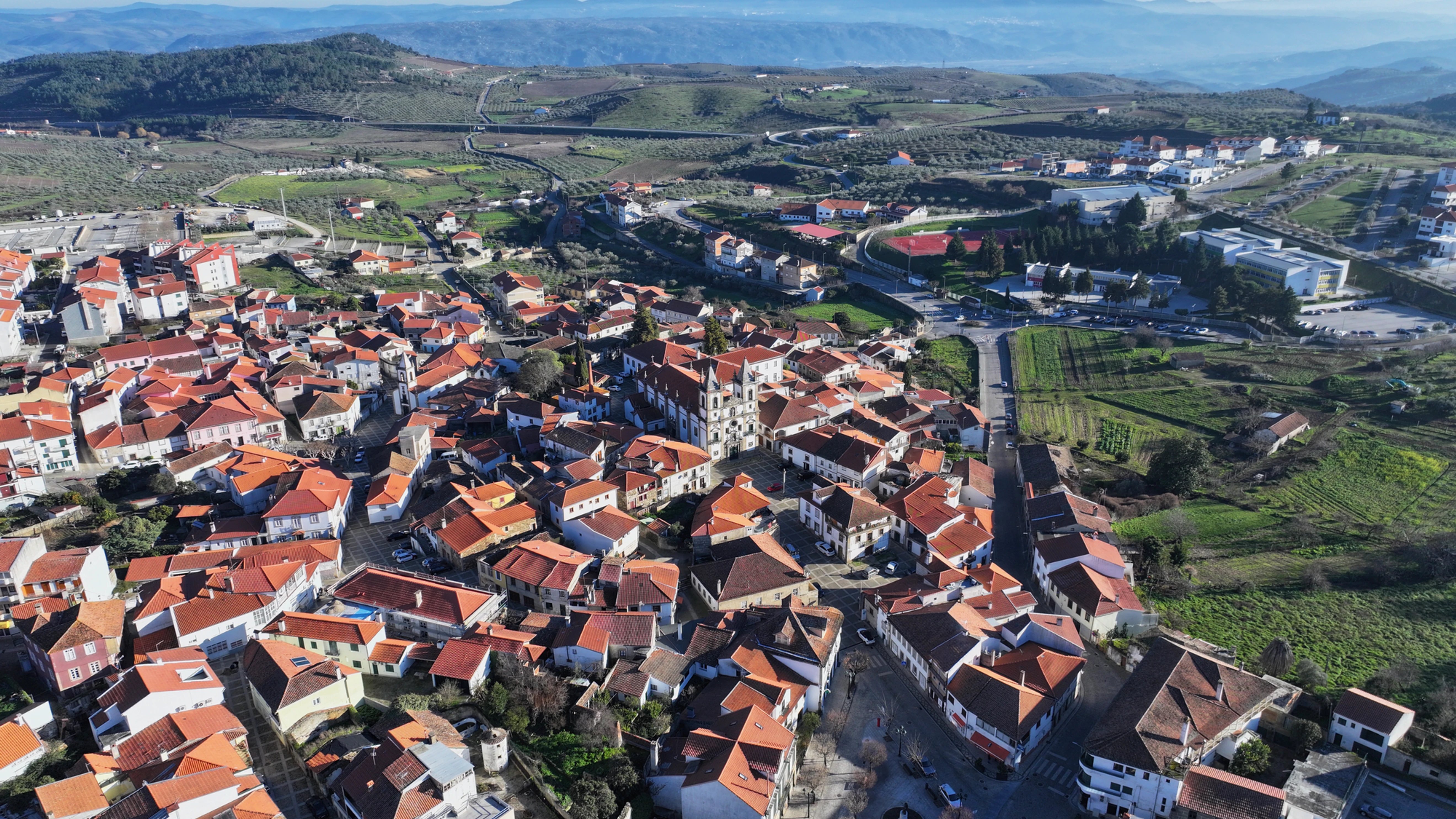
Halfway through the journey, drive up to Vila Flor, in the Terra Quente Transmontana — often called Portugal's olive oil capital. Just over an hour from Alijó, crossing landscapes that alternate between terraced vineyards and olive groves reaching the horizon, this small town holds memories worth hearing.
Sociedade Agrícola Quinta do Barracão da Vilariça welcomes visitors to a place where past and present live side by side effortlessly. The producer has a small working olive press and a two-hundred-year-old former olive oil eco-museum, where the original equipment used by past generations is still on display.
Book in advance — visits include a guided tasting, a tour of the traditional grove and, for those travelling between late October and November, the chance to witness the transformation of olives into the new oil as it is being pressed.
In Vila Flor's historic centre, take time for the Berta Cabral Municipal Museum, the Church of Mercy with its 18th-century painted ceiling, and the ancient Arch of King Dinis — a remnant of the medieval walls that once surrounded the town.
At lunchtime, a Transmontana steak with freshly tasted olive oil is an experience that alone justifies the trip.
This is also a good place to discover the Trás-os-Montes almond — a native product with strong presence in this area and whose tree is responsible for the spring spectacle that draws visitors from across the country.
Foz Côa: an olive grove that carries memory
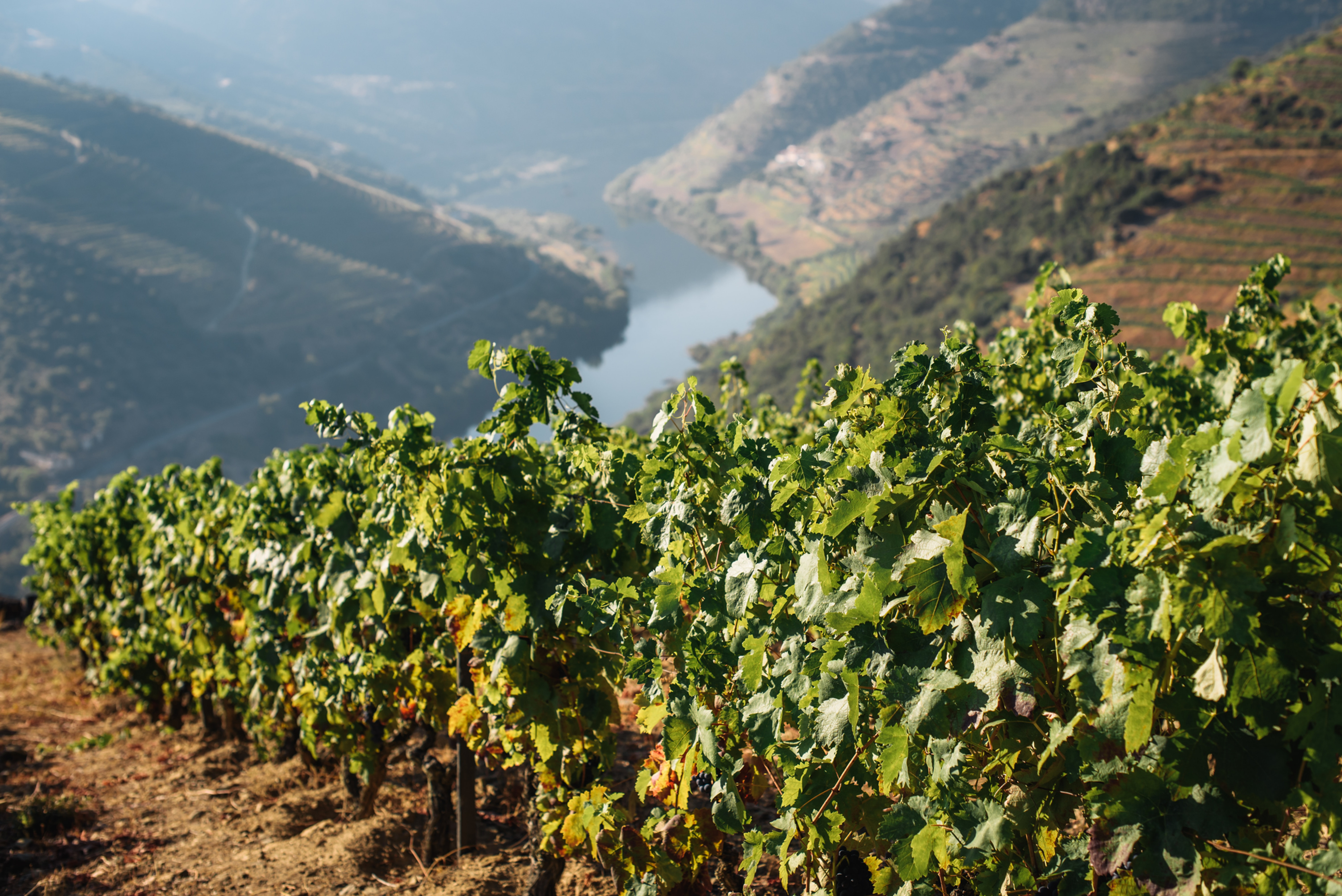
The journey ends in Vila Nova de Foz Côa, where the Côa river meets the Douro — one of the most dramatic corners of the Portuguese landscape. Here, among olive groves descending in terraces to the river, Morgada do Vale safeguards the memory of the 1148 donation and the five-generation female lineage that continues to care for the land.
The estate covers forty hectares. Among them, olive trees the owners believe date back to the earliest centuries of cultivation here — stories passed down through the family, told beneath the branches, and woven into the deep identity of the place. The estate produces an organic extra virgin gourmet olive oil, focused on restaurants and chefs who value products with a strong identity. A tasting here, with the Douro as backdrop and the surrounding landscape's silence, is one of those experiences remembered years later. Book directly through the producer's contact details on our site.
And there is much more to explore in Foz Côa without hurry. The Côa Museum is an essential stop — not only for the Palaeolithic rock engravings of the Côa Valley, a UNESCO World Heritage Site, but also for the architectural setting of the building itself, designed by Camilo Rebelo and Tiago Pimentel, overlooking the confluence of the two rivers. Guided visits to the Côa Valley Archaeological Park can be combined with the museum — the walks to the rock art sites are gentle and well-suited to contemplative outings.
If the trip falls between 15 February and 8 March, it coincides with the Almond Blossom Festival — the great spring event of the Upper Douro, now in its 44th edition. The fields turn white and pink, and the programme includes concerts, theatre, street entertainment, walks, exhibitions and the traditional ethnographic parade.
For a full panoramic view of everything happening across the region during this season — with fairs in Mogadouro, Torre de Moncorvo, Foz Côa, Freixo de Espada à Cinta and Vila Flor — our complete Almond Blossom 2026 guide gathers programmes and route suggestions.
The historic villages of Numão, Almendra and Castelo Melhor, all within the Foz Côa municipality, deserve unhurried stops. Dry stone walls, schist houses, Romanesque churches, votive chapels. And the viewpoints along the Côa river — Ribeirinha, Santa Bárbara — offer views over olive and vine terraces that look painted. For those who enjoy walking, the hiking trails of the territory include gentle routes between olive groves and viewpoints, filterable by municipality and difficulty level.
What tastes of the territory

The Transmontana table asks for time. Mirandesa steak grilled over embers, drizzled with freshly made olive oil. Roast kid slow-cooked in a wood oven. Alheira sausages from Mirandela. Cured meats, cheeses, Easter folar bread. Autumn mushrooms. Transmontana soups — stew, chestnut, river fish — served in deep bowls and eaten slowly. Always ask for olive oil at the table and take note of which producer the restaurant serves. A good restaurant in Trás-os-Montes always has a good olive oil. The two belong together.
Check our restaurants page and the itineraries by municipality for concrete suggestions in each location.
How to shape a week like this
One possible itinerary, to be taken slowly, without early starts, without hurry: three nights in Alijó (Palacete Barão Forrester), with a day cruising the Douro, a day exploring wine villages and viewpoints, an optional night in Provesende or Favaios if the mood calls for it.
Then, two days around Vila Flor with a visit to Barracão da Vilariça, exploring the historic centre and enjoying gastronomic stops.
Finish with two or three days in Vila Nova de Foz Côa, visiting Morgada do Vale, the Côa Museum, the historic villages of the municipality, the viewpoints and — depending on the season — the Almond Blossom Festival.
In total, 8 to 10 days. Short distances between points. A rhythm in which every meal is an event and every conversation deserves the time it needs.
One last note on Slow Travel Portugal
Explore the itineraries by municipality, the producers, the partner accommodations and the olive oil tourism experiences on our site. If you prefer to talk before booking, write to info@azeiteanorte.com — you will get an answer with a name, not a reference number.
The olive oil of Trás-os-Montes cannot be explained. It must be tasted.
#AzeiteaNorte #OliveOilTourism #NorthernPortugal #TrásosMontes #SlowTravel #TravelWithoutHurry #UpperDouro #CoaValley #Alijó #VilaFlor #FozCoa #AlmondBlossom #Terroir #PortugueseOliveOil #RuralTourism #VisitPortugal #FoodTourism #GastronomyTourism #UNESCO
A note on memory
The 1148 donation to Sir Tomé is history. The exact age of the olive trees living today on the estate, however, has not been established by any scientific study. It is part of the oral tradition the owners hold and pass down — and that tradition is, in itself, heritage. We prefer to share it for what it is: a beautiful, plausible belief, still unverified.


Comments