
The Route and the Itineraries
OUR HISTORY
SHIPPING AND RETURNS
Field with results.

Visit to Vila Nova de Foz Côa
Several
Vila Nova de Foz Côa is an emblematic municipality in the Alto Douro region, known for its archaeological heritage, natural landscapes, and traditional agriculture, where olive groves play an important role. The territory includes protected areas and offers a vast network of hiking and cycling routes that traverse olive groves, vineyards, and traditional villages, providing an authentic olive tourism experience.

Visit to Mirandela
Several
Mirandela, known as the "garden city" of Trás-os-Montes, is a destination that combines historical heritage, riverside landscapes, olive-growing culture, and excellent cuisine. Visitors can explore nature trails, river beaches, olive oil museums, and savor the region's iconic dishes.
Visit to Alijó
Several
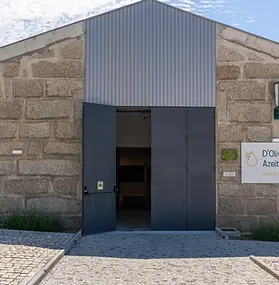
Alijó, located between the Douro and Tua valleys, is a region of striking landscapes, wine and olive-growing traditions, authentic villages, and a vast network of hiking trails. Here, visitors can explore historic trails, sample excellent olive oils and wines, explore rural heritage, and savor the gastronomy of Trás-os-Montes.

Visit to Bragança
Several
Bragança, the capital of the district of the same name, is a historic city that combines cultural heritage, surrounding nature, and a strong agricultural tradition, including olive cultivation. The municipality offers visitors nature trails and cycling tours through olive groves, as well as rich and authentic cuisine, showcasing local olive oil.


Visit to São João da Pesqueira
Several
São João da Pesqueira, in the Douro Wine Region, is one of the oldest municipalities in Portugal and is known for its agricultural tradition, terraced olive groves, traditional olive presses, and historic villages. The area offers themed trails, stunning landscapes, and a strong connection to olive oil culture.

Visit to Vinhais
Several
Vinhais, in the heart of Trás-os-Montes, is a municipality with a strong agricultural and rural tradition, where olive groves blend seamlessly with a landscape of mountains, rivers, and preserved villages. The region is renowned for its DOP olive oil production, the surrounding nature, and the local culture, offering visitors authentic olive tourism experiences and direct contact with the community.

Three Lands, One Douro
To be defined
A longer route that traverses the three municipalities of the Upper Douro, integrated into the Douro International Natural Park, descending from north to south along the border with Spain. From the Mirandese dialect to the silk embroidery of Freixo, from the olive groves of Sabor to the almond trees of the Douro, it is a journey through tradition, landscape, and the olive oil that unites them.


From Mirandese to Olive Grove
To be defined
A more cultural variant, designed for those who value local identity and traditions as much as the landscape. Olive oil serves as a gastronomic and heritage thread, but the itinerary explores more deeply the Mirandese people, the Pauliteiros (traditional dancers), the Mirandese breed of donkeys, and the ethnographic richness of the Terra de Miranda region.
Visit to Freixo de Espada in Cinta
Several
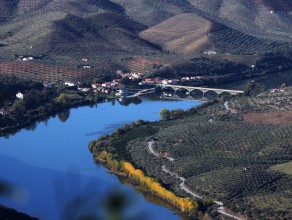
Freixo de Espada à Cinta, located in the heart of the Douro International Natural Park, is a municipality distinguished by its rugged landscape, shaped by the Douro River, and its rich agricultural tradition, where olive cultivation is particularly important. Known as the "Manuline Village," Freixo offers a unique combination of historical heritage, wild nature, and a cuisine with intense flavors linked to local products, including olive oil.
Visit to Alfândega da Fé
Several
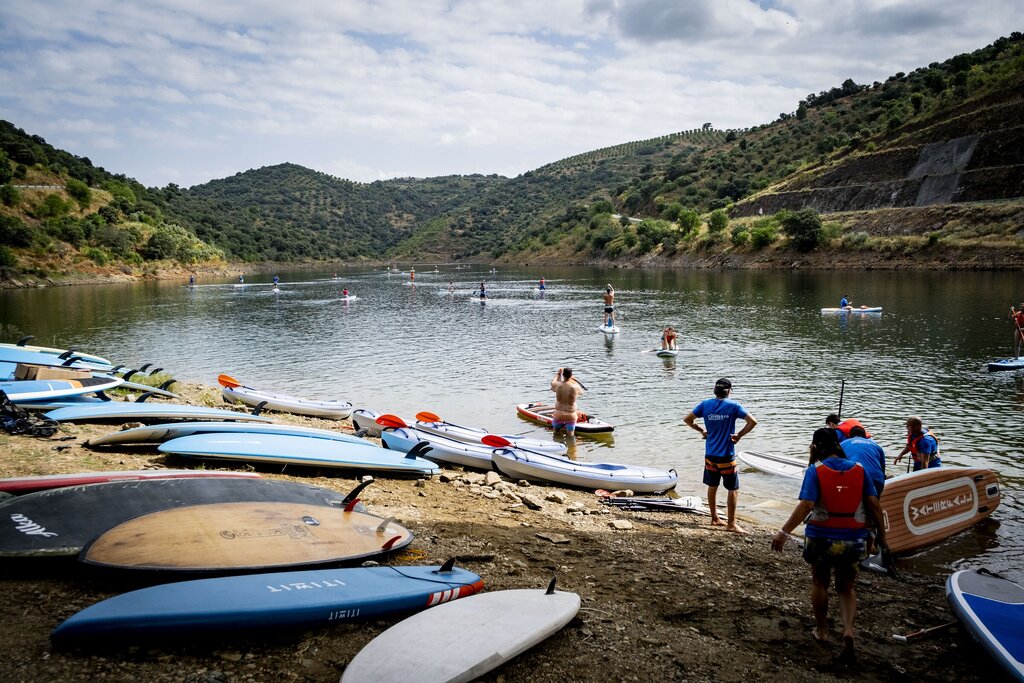
Alfândega da Fé, located between the Serra de Bornes and the Sabor Valley, is a region of rolling landscapes, centuries-old olive groves, and authentic villages. The municipality values olive oil production, agricultural tradition, and contact with nature, making it ideal for olive tourism and sustainable tourism.
Visit to Murça
Several
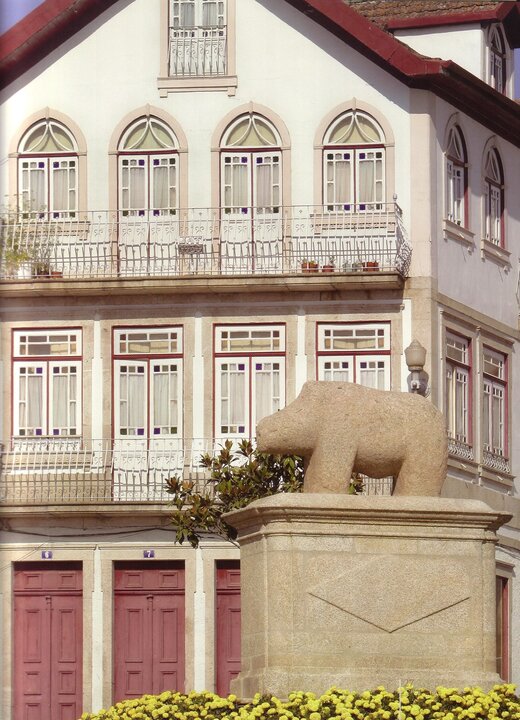
Murça, located in the Alto Douro region, is a municipality with stunning natural landscapes, traditional olive groves, and a strong connection to quality olive oil. The presence of the Tinhela River and its integration into the Tua Valley Regional Natural Park provide a privileged setting for outdoor activities and authentic olive tourism experiences.
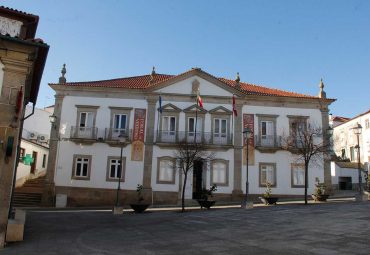
Visit to Vimioso
Several
Vimioso, in the northeast of Trás-os-Montes, is a municipality of authentic rural landscapes, traditional olive groves, and preserved villages. Here, olive tourism gains momentum not only through the production of excellent DOP olive oil, but also through the integration of agricultural experiences, contact with local communities, and outdoor activities surrounded by nature.

Visit to Vila Flor
Several
Vila Flor, a municipality in Trás-os-Montes, is known for its rural landscape, historical heritage, and agricultural tradition, including olive cultivation. The municipality offers visitors a combination of nature, culture, and typical flavors, with trails that crisscross olive groves and villages, highlighting local olive oil production.

Visit to Mogadouro
Several
Mogadouro, in the northeast of Trás-os-Montes, is a municipality marked by natural landscapes, historical heritage, and traditional agriculture where olive cultivation plays an important role. With a diverse network of trails and cycle paths, visitors can explore olive groves, traditional villages, and sample quality olive oils in a pristine natural environment.

Visit to Valpaços
Several
Valpaços, in the heart of Trás-os-Montes and Alto Tâmega, is a plateau municipality characterized by an intense hydrographic network, diverse agricultural landscapes, and a strong tradition of producing DOP olive oil, wine, honey, and smoked meats. The territory offers a unique combination of historical heritage, preserved nature, and gastronomic culture, ideal for authentic olive tourism experiences.


Visit to Torre de Moncorvo
Several
Torre de Moncorvo, located in the Alto Douro region, stands out for its natural landscape, marked by olive groves, vineyards, and granite reliefs, as well as its agricultural tradition. The municipality offers a vast network of trails and cycle paths that allow you to explore nature, historical heritage, and olive oil culture in a region of great environmental and cultural richness.

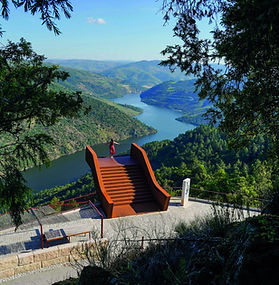
Visit to Carrazeda de Anciães
Several
Carrazeda de Ansiães, between the Douro and Tua rivers, is a land of olive groves, vineyards, historic villages, and terraced landscapes. The municipality is known for its rural heritage, nature trails, traditional olive oil mills, and a cuisine characterized by high-quality olive oil.
Visit to Miranda do Douro
Several
Miranda do Douro, located on the border with Spain, is a land of strong cultural identity, where agricultural traditions, including olive cultivation, remain alive. The municipality is known for its landscape marked by the Douro River and the Douro International Natural Park, which offers a privileged setting for olive tourism, with traditional olive groves, historical heritage, and a cuisine rich in authentic flavors.

From the Cliffs to the Olive Grove
To be defined
A route that combines the natural spectacle of the Douro International cliffs with the olive-growing tradition of Mogadouro, bridging the wild nature of the Douro canyon and the centuries-old olive groves that grow on its slopes.
Two cultures, two municipalities, one river that unites them.

Visit to Macedo's lands
Several
Macedo de Cavaleiros, in the heart of Trás-os-Montes, is a municipality that combines tradition, natural landscapes, olive-growing culture, and rich gastronomy. Here, visitors can explore the Terras de Cavaleiros Geopark, river beaches, traditional villages, and olive oil-related experiences, as well as ecological and cycling trails.

