
Treasures of the North: Mazouco — The Little Horse that Changed History

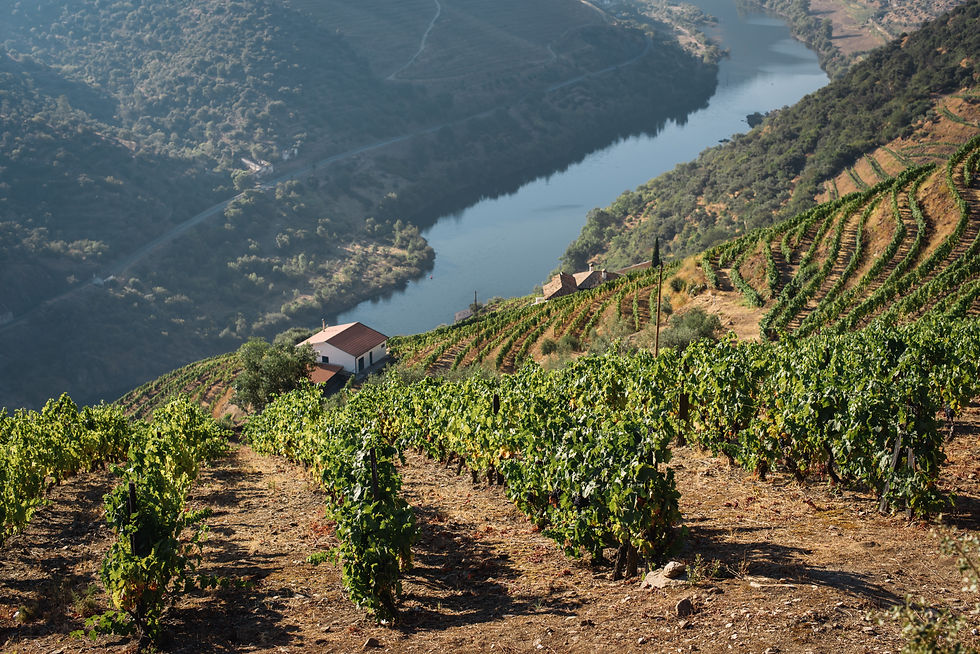
Albagueira stream and the Douro river, in the municipality of Freixo de Espada à Cinta, so close to the Spanish border you can hear the silence from both sides. It has no restaurant, no hotel, no traffic light. But it has a horse — carved into rock over 20,000 years ago — that changed everything we knew about the oldest art in Europe.
The Cavalinho, Mazouco Little Horse: the first open-air Palaeolithic engraving in Europe
In 1981, a student from the University of Porto's Faculty of Letters showed his professors something the people of Mazouco had known for generations: an engraving on a schist panel, facing the confluence of the stream and the Douro. The locals called it "the ram." Archaeologists called it the Cavalinho de Mazouco (Mazouco Little Horse) — and realised, with astonishment, that they were looking at the first open-air Palaeolithic rock art station ever identified in Portugal. And, at the time, in Europe.

The Cavalinho is 62 centimetres long and 37.5 centimetres tall. It was carved using pecking and abrasion techniques on a schist surface, probably with granite flakes from the opposite bank of the stream. The line is elegant in a way that defies time: the legs suggest movement, the body is proportionate, the profile recognisable from a distance. Around it, other figures — more eroded — suggest this was not an isolated gesture but part of a larger composition, as if the rock were a canvas and the river the audience.
The discovery of Mazouco opened the way for everything that followed: the engravings at Domingo García in Segovia (1981), Siega Verde in Salamanca (1986) and, finally, the Côa Valley in Vila Nova de Foz Côa (1992) — now a UNESCO World Heritage Site, just 25 kilometres from here. Mazouco was the first chapter of a story that rewrote European prehistory.
The village that keeps the secret
Getting to Mazouco is itself an experience. The narrow road between olive trees and dry stone walls crosses a landscape that has changed little since the engravings were made. The plateau opens over the Douro valley and, in summer, the dry heat and silence create an atmosphere that seems to predate time.
The village lives from the land — olive trees, almond trees, family vegetable gardens. The schist houses line streets with no name, and life happens between the front door and the field. There are no excessive tourist signs, no ticket offices. There is a rock face with engravings, an immense horizon and the rare feeling of being somewhere the world has not yet discovered.
For those who approach olive oil tourism in Northern Portugal as a way to understand the territory in depth, Mazouco is an essential stop: it is the point where the history of olive oil — the olive tree, the dry land, the schist — meets the oldest history this landscape holds.
What to visit from Mazouco
The Cavalinho is the centre, but the journey does not end there. From Mazouco, the territory opens in several directions:
The PR1 FRC trail — Penedo Durão departs from Freixo de Espada à Cinta and follows centenary olive groves to the Penedo Durão viewpoint — a massive rock above the right bank of the Douro, one of the most important birdwatching spots in the Douro Internacional Natural Park. It is the kind of trail you walk slowly, with stops to look.

The Congida River Beach, in the same municipality, is a leisure complex with a floating pool in the reservoir waters, municipal pools and a river pier from which boat trips depart along the Douro — an opportunity to observe the riverside vegetation and the birds that nest on the slopes.
The historic centre of Freixo de Espada à Cinta — the "Manueline Village" — has the Torre do Galo, streets lined with Manueline windows, the Igreja Matriz with paintings attributed to Grão Vasco, and an atmosphere that seems frozen in time. It is a town for walking slowly and looking up.
The full Freixo de Espada à Cinta itinerary on our site includes restaurant, accommodation and producer suggestions — including the chance to taste olive oils from the Cobrançosa and Verdeal Transmontana varieties that define the character of oils from this part of the Upper Douro.
Challenge the territory
If after visiting the Cavalinho you want to complete the experience with an olive oil tasting in the grove, a boat trip along the Douro or a night under Freixo's starry sky — talk to the nearest producer.
Or tell us: write to info@azeiteanorte.com and we will help you find the right experience.
Explore the itineraries, producers, olive oil tourism experiences and walking trails across the territory.
The olive oil of Trás-os-Montes cannot be explained. It must be tasted.


Comments