
3-Day Itinerary Through the Upper Douro — olive oil, almonds and unforgettable landscapes

Ready to Book series
There is a part of Portugal where the Douro River still has no crowds. Where the olive trees are older than the maps and the almond trees, in spring, cover entire hillsides in white. Where you enter a schist village and leave with olive oil bought directly from the person who made it, with a story that began before you were born.
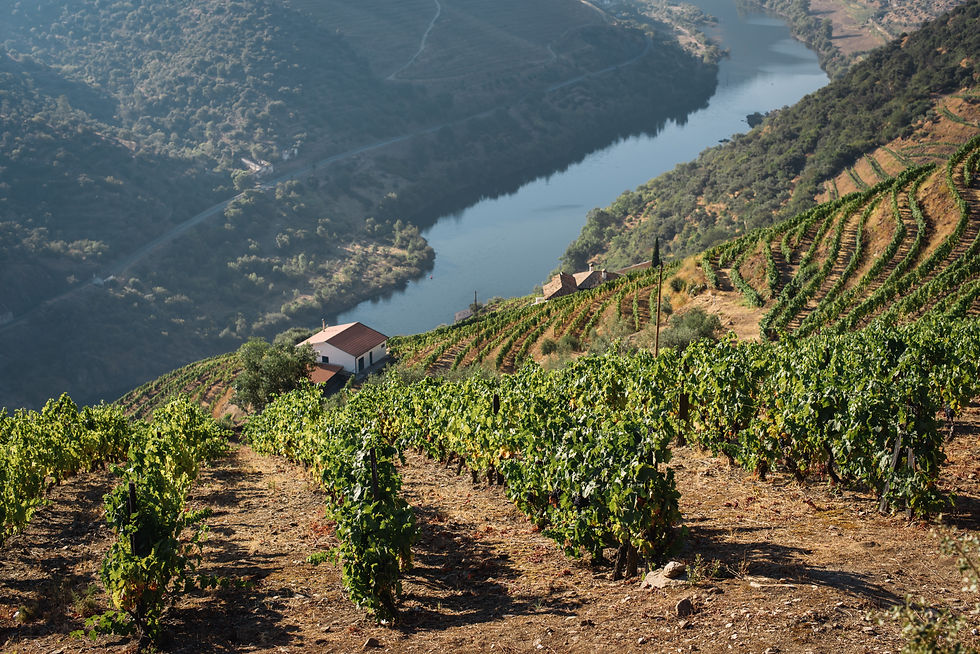
The Upper Douro is that part. It sits between Torre de Moncorvo, Vila Nova de Foz Côa and Freixo de Espada à Cinta — three municipalities that share the river, centuries-old olive groves and a cuisine that needs no adjectives because it speaks for itself.
This itinerary is for those who want three days without haste. For couples looking to slow down, for groups of friends who prefer a long table with bread and olive oil to a hotel pool, for anyone who already knows Porto and the Douro wine region and wants to discover what lies beyond the last bend.
Day 1 — Torre de Moncorvo: the capital of almonds and olive groves
Arrival in Torre de Moncorvo, ideally in the early afternoon. The drive from Porto takes about two hours via the A4 to Vila Real, then down the IP2 to Moncorvo — a road worth taking slowly, as the landscape shifts with every kilometre.

Primeira paragem: o centro histórico. A First stop: the historic centre. The Igreja Matriz of Torre de Moncorvo is one of the largest Manueline churches in the country — and one of the least visited. It deserves time. Then walk through the town centre, where you will find shops still selling hand-made covered almonds, a local speciality that few places in Portugal still maintain.
Late afternoon: Serra do Reboredo viewpoint. The iron structure has become one of Moncorvo's symbols. From the top, you can see the town, the Vilariça valley, the Sabor and Douro rivers, and in the distance the lands of Alfândega da Fé and Freixo de Espada à Cinta. It is the best place to grasp the scale of the olive groves in this territory — Moncorvo is, without exaggeration, a kingdom of olive trees. More about this viewpoint in our guide to the 5 incredible viewpoints in Trás-os-Montes (azeiteanorte.pt/en/post/5-incredible-viewpoints).
Dinner: Moncorvo's cuisine is that of the Transmontane hot lands — roast kid, posta à transmontana drizzled with new-harvest olive oil, almonds in everything. See our guide to the 5 must-visit restaurants (azeiteanorte.pt/en/post/5-must-visit-restaurants) for suggestions in the region.
Stay overnight in Torre de Moncorvo or surroundings. If you prefer rural accommodation with a connection to the territory, Bairro do Casal in Murça (azeiteanorte.pt/en/alojamento/bairro-do-casal), about 40 minutes away, is a village of restored schist houses with remarkable authenticity — perfect for those who want to start the next day already immersed in the landscape.
Day 2 — Vila Nova de Foz Côa: where History meets olive oil
In the morning, departure for Vila Nova de Foz Côa (about 20 minutes by car). This is one of the few municipalities in the world with two UNESCO World Heritage sites: the Côa Valley Rock Art and the Alto Douro Wine Region.
Morning: Côa Museum and rock engravings. The Côa Museum is the interpretation centre for the world's largest open-air collection of Palaeolithic rock art — engravings over 20,000 years old, carved into the schist banks of the Côa River. Visits to the rock art sites must be booked in advance at arte-coa.pt. The experience takes about two hours and is guided — one of the most impressive cultural experiences you can have in Portugal.

Lunch in Foz Côa: restaurants in the town centre serving Transmontane cuisine. Order posta à transmontana or roast kid — and always ask for regional olive oil to try with the bread.
Afternoon: rural villages and olive groves. The area surrounding Foz Côa has villages such as Numão, Almendra and Castelo Melhor where the olive-growing tradition remains alive. Walk among terraced olive groves, visit a local press if it is open, and taste olive oil directly from the producer. See the Vila Nova de Foz Côa itineraries (azeiteanorte.pt/en/roteiro/visita-por-vila-nova-de-foz-coa) for detailed routes.
Stay overnight in Foz Côa: local accommodation in the town centre or surrounding villages.
Day 3 — Freixo de Espada à Cinta: the Manueline village in the heart of the Douro Internacional

In the morning, departure for Freixo de Espada à Cinta (about 40 minutes). The road between Foz Côa and Freixo is one of the most beautiful in inland Portugal — the valley opens up, the hillsides alternate between almond and olive trees, and the Douro appears in the distance, wedged between the cliffs.
Morning: Freixo's historic centre. Known as the 'Manueline Village', Freixo has the Torre do Galo, streets lined with Manueline windows, the Igreja Matriz with paintings attributed to Grão Vasco, and an atmosphere that seems frozen in time. This is a village for walking slowly, looking up, and stepping into the regional produce shops.
PR1 FRC trail — Penedo Durão. If you enjoy walking, this is the trail to do: it leaves Freixo and follows paths through centuries-old olive groves to the Penedo Durão viewpoint, one of the most spectacular spots in the Douro Internacional Natural Park. The view over the cliffs and the Douro is among the most impressive in the country. The trail is about 12 km and takes 4 to 5 hours — see the Freixo de Espada à Cinta itineraries (azeiteanorte.pt/en/roteiro/visita-por-freixo-de-espada-a-cinta) for detailed information.
Lunch: O Lagar or O Cordeiro restaurant, with local cuisine — kid, cured meats, rye bread and olive oil that you taste before anything else.
Afternoon: producers and return. Before leaving, visit a local olive oil producer. In Freixo, the dominant varieties are Cobrançosa and Verdeal Transmontana — the olive oil here has its own character, shaped by the dry climate and the terraced groves above the Douro. If you want to extend the trip to Vila Flor (about 45 minutes), you can visit Quinta do Barracão da Vilariça (azeiteanorte.pt/en/produtores/sociedade-agricola-quinta-do-barracão-da-vilarica) — a press with a two-century-old olive oil eco-museum, offering tastings and grove tours.
Practical information for the Upper Douro
Getting there: Porto → Torre de Moncorvo: ~2h15 (A4 + IP2). Lisbon → Torre de Moncorvo: ~4h (A1 + A4 + IP2). Spain (Salamanca) → Freixo de Espada à Cinta: ~2h.
Best time to visit: Every season has its charm. From February to March, the almond blossom transforms the landscape (see our almond blossom guide). In summer, river beaches and starry skies. In autumn (October-November), the olive harvest and the presses at work — the most authentic olive oil tourism experience. More on our dedicated post (azeiteanorte.pt/en/post/best-time-olive-oil-tourism).
Bookings: Full itineraries with contacts and detailed suggestions at azeiteanorte.pt/en/roteiros. Available experiences at azeiteanorte.pt/en/experiencia.
More producers: Discover all olive oil producers in the territory at azeiteanorte.pt/en/produtores.


Comments