
Trás-os-Montes Loses Weight in National Olive Oil — And the Answer is Quality

The region that, two decades ago, accounted for 30% of the national olive oil production is now worth less than half of that. The share of Trás-os-Montes in Portuguese production has fallen by almost half in a decade, while the Alentejo region has increased from 45% to 71% of national production, supported by intensive olive groves and the Alqueva irrigation project. diariodetrasosmontes

The pressure is not only structural. In the 2025/2026 harvest, there was a reduction in regional production of around 30%, associated with fires that occurred during the summer and unfavorable weather conditions. Added to this is the growing competition from imported olive oil, particularly from Tunisia. Agroportal
Nationally, there is a prospect of global production similar to the previous harvest — around 179,000 tons — a possible result of the entry into production of new olive groves, mainly in intensive and super-intensive systems in the Alentejo region. The country's growth is real. But it doesn't come from Trás-os-Montes. Agroportal
So what? That's why quality matters more than ever.
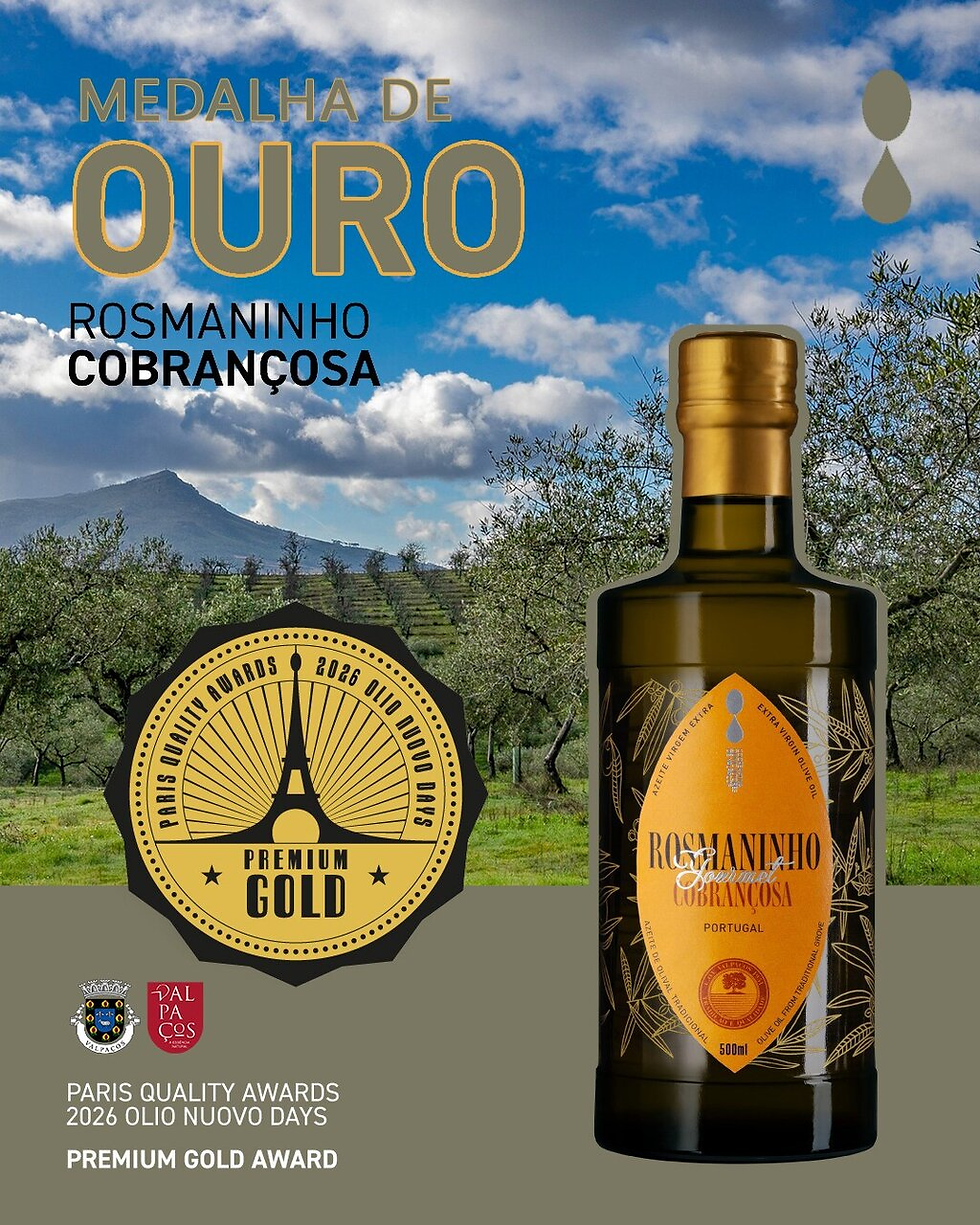
Olive oil from Trás-os-Montes has had Protected Designation of Origin status since 1996, and its quality is recognized worldwide—the numerous awards it has won have increased its prestige, especially in the international market. In 2025 alone, producers from the region won more than 111 distinctions in the most demanding international competitions. diariodetrasosmontes
What Trás-os-Montes has cannot be replicated. Unique native varieties — Verdeal Transmontana, Madural, Cobrançosa, Cordovil, Santulhana — olive growers who are among those who have taken the most care in cultivating the olive tree and harvesting the olives manually under the best possible conditions, in a land where the olive tree is still considered a sacred tree.. Produtos Tradicionais Portugueses
This is precisely where olive tourism comes in. Not as an alternative, but as an amplifier: transforming international recognition into experiences lived in the territory, tasted on the farms, and left in the memory of those who visit us.
Trás-os-Montes may lose market share in volume. You cannot—and will not—lose your identity.
(Source: Onda Livre FM, 20 maio 2026; Fenazeites/Lusa; GPP/Agroportal)


Comments